
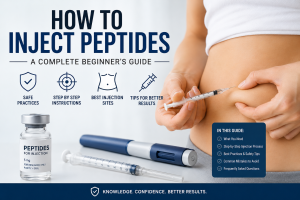
How to Inject Peptides Safely: A Complete Guide
Peptide therapy has become increasingly popular among individuals seeking support for weight management, muscle growth, recovery, anti aging, wellness, and performance optimization. However, one of the most common questions beginners ask is: “How do I inject peptides correctly and safely?”
Learning the proper peptide injection technique is essential for achieving the best results while minimizing discomfort and reducing the risk of complications. This guide explains everything you need to know about peptide injections, from preparation to administration and aftercare.
What is a Peptide?
Peptides are short chains of amino acids that act as signaling molecules within the body. Different peptides such as Retatrutide peptide, Glow peptide, Tirzepatide peptide, NAD+, Klow peptide, are designed to support various biological functions, including:
- Weight loss and metabolic health
- Muscle development and recovery
- Improved sleep quality
- Enhanced energy levels
- Healthy aging support
- Tissue repair and regeneration
Many therapeutic peptides are administered through subcutaneous injections, which deliver the peptide into the fatty tissue just beneath the skin.
Why Are Peptides Injected?
Most peptides are not effectively absorbed through the digestive system. Injecting peptides allows them to enter the body more efficiently, helping maintain their biological activity and effectiveness.
Subcutaneous injections are commonly preferred because they are relatively simple, less painful, and suitable for self administration after proper instruction.
Supplies Needed for Peptide Injection
Before starting, gather the following supplies:
- Peptide vial or peptide injection pen
- Sterile syringe or pen needle
- Alcohol swabs
- Cotton ball or gauze
- Sharps disposal container
Always ensure your supplies are sterile and stored according to the manufacturer’s recommendations.
Step by Step Guide: How to Inject Peptides
Step 1: Wash Your Hands
Wash your hands thoroughly with soap and warm water for at least 20 seconds. Proper hand hygiene helps reduce the risk of infection.
Step 2: Prepare the Injection Site
Common injection areas include:
- Abdomen (at least two inches away from the navel)
- Upper thigh
- Back of the upper arm
Clean the chosen area with an alcohol swab and allow it to dry completely.
Step 3: Prepare the Peptide
If using a peptide pen like Alluvi peptide pen, follow the manufacturer’s instructions for priming and dosage selection. If using a vial and syringe, carefully draw the prescribed amount into the syringe while maintaining sterility.
Step 4: Pinch the Skin
Gently pinch a fold of skin between your thumb and fingers. This helps ensure the injection enters the subcutaneous fat layer rather than muscle tissue.
Step 5: Insert the Needle
Insert the needle at a 45 to 90 degree angle, depending on your body composition and healthcare provider’s guidance.
Step 6: Inject the Peptide
Slowly press the plunger or activate the injection pen until the full dose has been administered.
Step 7: Remove the Needle
Withdraw the needle carefully and apply gentle pressure with a cotton ball or gauze if necessary.
Step 8: Dispose of the Needle Safely
Place all used needles and syringes into an approved sharps container. Never reuse needles.
Best Practices for Peptide Injections
To maximize safety and comfort:
- Rotate injection sites regularly
- Never share needles or injection devices
- Store peptides according to product instructions
- Use a new sterile needle for every injection
- Follow recommended dosing schedules
- Monitor for unusual reactions
Common Mistakes to Avoid
Many beginners make simple errors that can affect results:
- Injecting Into the Same Spot Repeatedly: Repeated injections in one area may cause irritation and tissue damage.
- Using Dull or Reused Needles: Fresh needles provide a more comfortable injection experience and reduce infection risk.
- Poor Storage Practices: Improper storage can reduce peptide stability and effectiveness.
- Incorrect Dosage: Always follow dosing instructions provided by your healthcare professional or product guidelines.
Frequently Asked Questions
How often should peptides be injected?
Injection frequency depends on the specific peptide, dosage protocol, and intended use.
Where is the best place to inject peptides?
The abdomen is often the most commonly recommended site due to ease of access and consistent absorption.
Can I inject peptides myself?
Many peptide therapies are designed for self administration after receiving proper instruction from a qualified healthcare professional.
What should I do if I miss a dose?
Follow the guidance provided with your peptide protocol or consult a healthcare professional.
Are peptide injections painful?
Most people report minimal discomfort during subcutaneous peptide injections. Modern peptide pens and fine gauge needles are specifically designed to make the process as comfortable as possible.
Understanding how to inject peptides safely is an important part of any peptide therapy routine. Proper technique, sterile handling, and adherence to recommended protocols can help improve comfort, support effectiveness, and reduce potential risks. Whether you are new to peptide therapy or looking to refine your injection technique, following these best practices can help ensure a smoother and more confident experience.
If you are considering peptide therapy, always seek guidance from a qualified healthcare professional and use high quality products from trusted suppliers.