
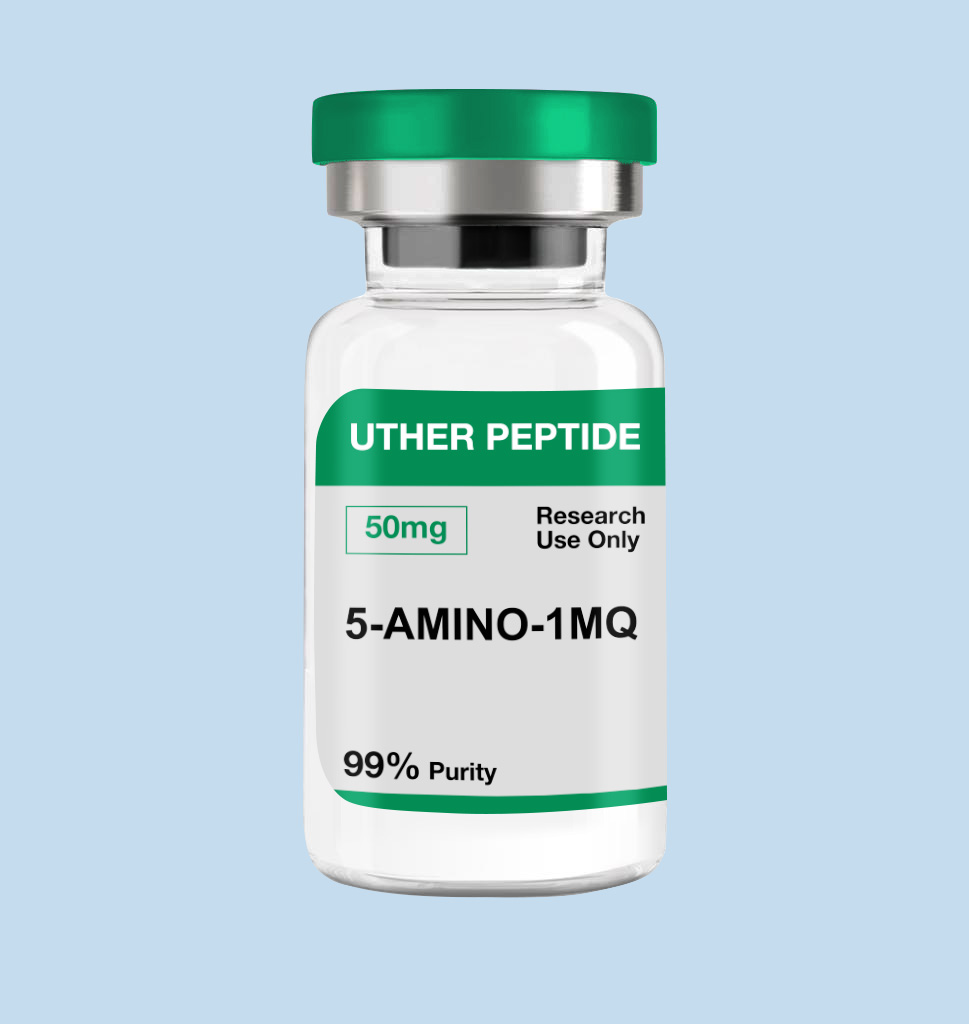
5-Amino-1MQ Peptide: The Advanced NNMT Inhibitor for Metabolic and Longevity Research
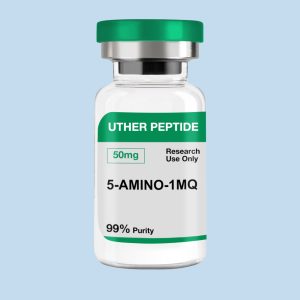
 When it comes to cutting-edge metabolic research, few compounds have attracted as much scientific attention as the 5-amino-1MQ peptide. Originally developed at the University of Texas Medical Branch, this small yet highly targeted molecule was engineered to address one of the most persistent biochemical bottlenecks in fat metabolism and cellular aging. Today, research teams around the world are exploring 5 amino 1mq peptides as a transformative tool in the study of obesity, energy regulation, and longevity science.
What Is 5-Amino-1MQ and How Does It Work?
5-Amino-1MQ is a synthetic small molecule designed for a specific intracellular target: the enzyme known as Nicotinamide N-methyltransferase, or NNMT. NNMT is an enzyme that works in your cells to manage energy and metabolism. The enzyme slows down how the body breaks down fat cells. When NNMT levels are high, it becomes significantly harder to lose weight.
By selectively blocking this enzyme, the 5-amino-1MQ peptide removes a key metabolic obstacle. Blocking NNMT prevents the degradation of Nicotinamide, allowing it to be recycled back into NAD+ via the salvage pathway. The result is a measurable restoration of cellular energy currency at the intracellular level.
NAD+ Restoration and the Sirtuin Connection
One of the most significant downstream effects of the 5-amino-1MQ peptide is its ability to preserve and elevate NAD+ levels. NAD+ is essential for mitochondrial energy production, serving as a coenzyme in the electron transport chain and driving ATP synthesis.
This restoration of NAD+ then triggers a powerful secondary pathway. Sirtuins are a family of proteins that regulate metabolism, inflammation, and cellular aging. SIRT1 is NAD+ dependent, meaning it requires adequate NAD+ levels to function. By inhibiting NNMT and preserving NAD+, 5-amino-1MQ indirectly boosts SIRT1 activity, leading to increased fat oxidation and improved glucose regulation.
Fat Loss, Body Composition, and Metabolic Research
Preclinical evidence positions 5 amino 1mq peptides as one of the most promising compounds in metabolic body composition research. In a landmark study, diet-induced obese mice treated with 5-amino-1MQ showed a roughly 7% reduction in body mass over 11 days without any change in food intake. This critical finding separates it from stimulant-based compounds, as the effect stems purely from enhanced cellular metabolism rather than appetite suppression or nervous system activation.
Muscle Regeneration and Anti-Aging Potential
Beyond fat metabolism, research into 5 amino 1mq peptides has uncovered compelling findings related to age-related muscle decline. NNMT is an enzyme overexpressed with aging in skeletal muscles and is linked to impairment of the NAD+ salvage pathway, dysregulated sirtuin 1 activity, and increased muscle stem cell senescence. Studies show that NNMT inhibition with this compound elevated muscle stem cell proliferation and supported nearly twice the cross-sectional area in treated subjects compared to controls.
By activating sirtuins and rejuvenating senescent muscle stem cells, 5-Amino-1MQ has the potential to promote cellular resilience, maintenance of muscle mass, the ability to burn fat, and potentially slow down the aging process.
Bioavailability and Research Suitability
Because it is a small molecule rather than a fragile peptide chain, 5-amino-1MQ exhibits excellent membrane permeability and oral bioavailability. This pharmacokinetic profile makes it a highly practical compound for controlled laboratory research protocols requiring consistent cellular uptake.
Research Use Disclaimer: The 5-amino-1MQ peptide is intended strictly for scientific and laboratory research purposes. It is not approved or any regulatory authority for human therapeutic use. All research should be conducted within a controlled setting by qualified professionals in compliance with applicable guidelines.

Reviews
There are no reviews yet.